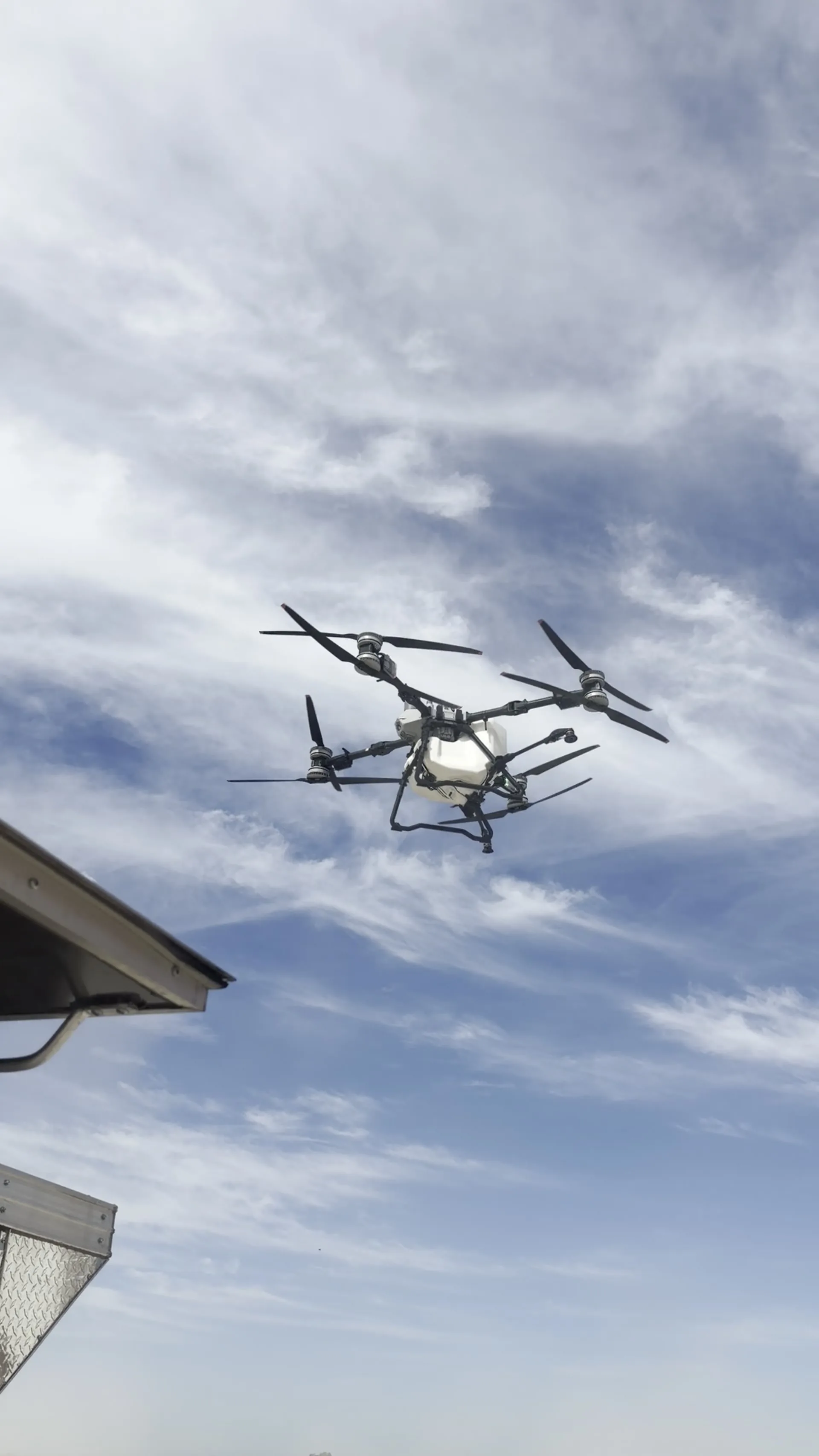
The Federal Aviation Administration announced that Elroy and the Louisiana Department of Transportation and Development conducted a remotely piloted cargo demonstration at Houma-Terrebonne Airport. The aircraft was Elroy Air's Chaparral, a hybrid-electric vertical-takeoff-and-landing system designed to move heavy cargo between non-traditional sites.
Why the flight matters
The FAA described the operation as the first remotely piloted aircraft test flight under its eVTOL Integration Pilot Program. That makes the demonstration useful as an integration event: regulators, a state transportation agency, and the aircraft developer operated within a program intended to generate real-world evidence for bringing new aircraft types into the National Airspace System.
The agency says it will use data from these demonstrations to identify procedural gaps and support safe integration. Additional eIPP test flights are planned during 2026.
What the announcement does not establish
A demonstration is not the same as unrestricted commercial approval. The FAA release does not say that the aircraft is generally available for routine cargo service everywhere, nor that every proposed autonomous or remotely piloted operation is authorized. Aircraft approval, operating authority, airspace, communications, risk controls, and the specific mission still matter.
The practical signal
The important development is not a promise that heavy cargo drones arrive tomorrow. It is that the integration process is moving through documented flight demonstrations involving public authorities and a real aircraft system. Those tests can expose the operational questions that must be answered before a new category scales.
This is a summary of the FAA's announcement, not independent reporting from the Louisiana demonstration.